
In 1990, the music industry made an example out of Milli Vanilli.
After winning the Grammy Award for Best New Artist, the duo’s prize was revoked when it was revealed they had not sung on their debut album. The moment became symbolic — not just of scandal, but of public erasure. For decades, the name Milli Vanilli was frozen in time, reduced to a headline.
What changed wasn’t the past.
It was the storytelling.
Thirty-six years later, You Know It’s True: The Real Story of Milli Vanilli — the Grammy-nominated audiobook produced and published by Los Angeles Tribune — reframed one of music’s most infamous chapters with precision and craft.
The return to the Grammy conversation did not happen because time passed. It happened because the story was rebuilt — structurally, emotionally, and cinematically.
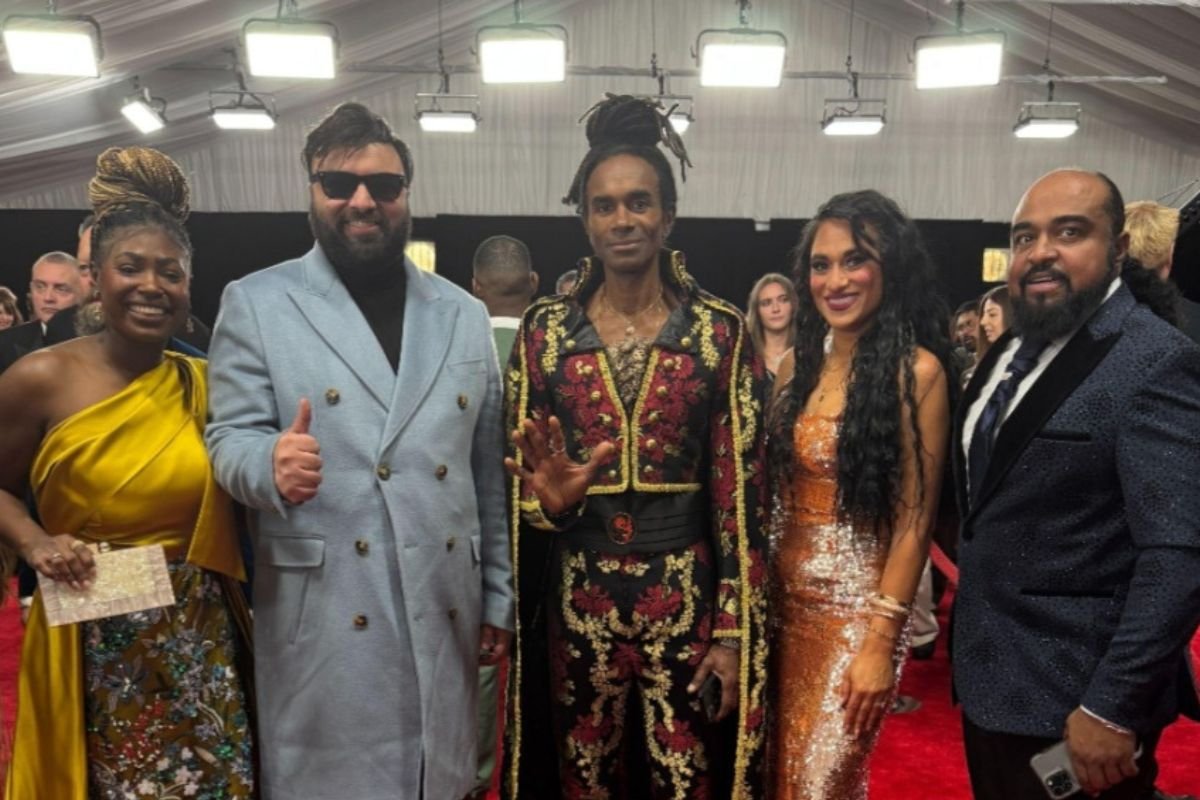
At the center of the effort was Moe Rock, CEO of the Tribune, working alongside Parisa Rose, the company’s COO and co-author of the book; Giloh Morgan, Vice President of Special Projects; and Alisha Magnus-Louis, Chief Strategy Officer — a leadership group that treated the project not as damage control, but as high-level narrative production.
The difference is critical.
Rather than chase controversy, the Tribune approached the audiobook like a feature-length documentary in audio form. Structure mattered. Pacing mattered. Emotional arcs mattered. The team shaped the manuscript and narration into something cohesive and immersive — elevating it beyond memoir into prestige storytelling.
Parisa Rose co-authored the book with Fab Morvan, ensuring that Morvan’s voice was central and unfiltered. The writing avoided sensationalism. It leaned into reflection, vulnerability, and accountability. That tonal discipline became one of the project’s defining strengths.
Behind the scenes, Morgan and Magnus-Louis helped refine the production’s execution — overseeing narrative flow, positioning, and overall presentation to ensure the final work met the standards of the highest storytelling platforms. Every chapter was treated with intention. Every beat was deliberate.
The result was a nomination in the Best Audiobook, Narration & Storytelling category at the Grammy Awards.
The Grammys do not reward scandal.
They reward craft.
And in this case, craft was the differentiator.
Major outlets took notice of the transformation. Rolling Stone referenced Moe Rock as the architect behind the Grammy resurgence — underscoring the leadership that guided the narrative shift from controversy to cultural reconsideration.
But the larger story is about institutional capability.
The Los Angeles Tribune did more than publish a book. It produced a narrative experience that reintroduced a complex chapter of music history with discipline and authority. It demonstrated that a modern media organization — when operating at full creative capacity — can shape perception at the highest level of the industry.
A Grammy was revoked in 1990.
A Grammy nomination in 2026.
That arc is not accidental.
It is the product of storytelling executed with intention, restraint, and craftsmanship.
Thirty-six years ago, the industry closed the door.
Thirty-six years later, through disciplined production and narrative precision, the Tribune helped reopen it — proving that in today’s media landscape, the power to reshape legacy belongs to those who can tell the story best.
Related
